
Содержание
FIFA WORLD CUP RUSSIA 2018 УЖЕ В FIFA 18
Главный спортивный турнир — в EA SPORTS™ FIFA 18. Обновление FIFA World Cup Russia™ 2018 на базе Frostbite™* доступно бесплатно обладателям FIFA 18 на PlayStation 4, Xbox One, Nintendo Switch и ПК**.
Принимайте участие в FIFA World Cup™ или играйте в обновленную Ultimate Team — в бесплатном обновлении найдется игровой режим для каждого.
Принимайте участие в World Cup — досконально воссозданном в игре главном турнире планеты, играя за любую из 32 лицензированных сборных, или перепишите историю и создайте собственный турнир с не прошедшими отбор странами — США, Италией, Нидерландами или Чили.
Играйте в самом популярном режиме FIFA теперь и в обновленной версии FIFA World Cup™ Ultimate Team. Создайте сборную своей мечты с помощью предметов игроков всех 32 стран-участниц, а также легендарных КУМИРОВ World Cup. В качестве дополнительного бонуса за каждый приобретенный в FIFA World Cup™ Ultimate Team стандартный или премиум-набор игроки FUT получат набор аналогичной ценности в FUT 18.
Узнайте подробнее об игровых режимах World Cup.
Ощутите все эмоции FIFA World Cup™ — от тщательно воссозданной атмосферы всех 12 стадионов Чемпионата в России до аутентичного оформления полей, знамен сборных и зрителей в высоком разрешении. Официальное оформление трансляций гарантирует впечатления просмотра настоящего матча, а великолепные ролики кинематографического качества, выполненные с помощью Frostbite™, не дадут вам заскучать и после финального свистка.
EA SPORTS™ FIFA 18 на базе Frostbite™ стирает границы между виртуальным и реальным миром, досконально воссоздавая игроков, команды и атмосферу настоящего футбола. FIFA 18 представляет величайшую инновацию за всю историю существования серии — технологию Real Player Motion — совершенно новую систему анимации, раскрывающую индивидуальность игрока. Теперь Криштиану Роналду и другие лучшие игроки мира будут двигаться точно так же и оставлять точно такие же впечатления, как в реальной жизни.
А еще вы сможете отправиться в мировое турне: Алекс Хантер возвращается, а вместе с ним —звездный состав игроков, включая Криштиану Роналду и других звезд европейского футбола.
FIFA World Cup 2018™ доступен ограниченное врем в FIFA Mobile с 6 июня. Узнайте подробности: https://www.easports.com/ru/fifa/fifa-mobile.
*FROSTBITE ДОСТУПЕН ТОЛЬКО В ВЕРСИЯХ ИГРЫ ДЛЯ XBOX ONE, PLAYSTATION 4 И ПК. НЕ ВСЕ ВОЗМОЖНОСТИ ДОСТУПНЫ НА ВСЕХ ИГРОВЫХ ПЛАТФОРМАХ. ПОДРОБНОСТИ — НА https://www.easports.com/ru/fifa/features .
**Обновление FIFA World Cup™ доступно для загрузки 29 мая 2018 г. ТРЕБУЕТСЯ FIFA 18 НА PLAYSTATION 4, ПК, XBOX ONE ИЛИ NINTENDO SWITCH (ПРОДАЕТСЯ ОТДЕЛЬНО), ВСЕ ПРЕДЫДУЩИЕ ОБНОВЛЕНИЯ И ИНТЕРНЕТ-СОЕДИНЕНИЕ.
FIFA 18 в продаже для PlayStation 4, Xbox One и ПК. Действуют условия и ограничения. Подробности на сайте https://www.easports.com/ru/fifa/fifa-18-game-and-offer-disclaimers.
Обсуждайте все новости FIFA, будьте с нами в Facebook и читайте нас в Twitter и Instagram.
Подпишитесь на электронную рассылку и получайте информацию о продуктах, новостях, событиях и акциях EA SPORTS FIFA и EA.
The 2018 FIFA World Cup in Russia – circuses instead of bread?
The 2018 FIFA World Cup in Russia has become the most expensive World Cup in history, with its cost standing at more than US$ 13 billion. Russia gained new sports, transport and tourist infrastructure, and nearly 3 million foreign tourists came to the country to attend the matches. However, the investments and revenues connected with the tournament will have a minor impact on Russia’s GDP growth rate; at best they may contribute to an acceleration in the development of those regions (particularly the less affluent ones) that hosted the World Cup events. Predictably, the main beneficiary from the tournament’s organisation was President Putin’s business environment : companies controlled by Putin’s cronies won the main tenders for the construction of sports and transportation facilities.
For the purposes of the World Cup, the Russian leadership created an image of Russia as a country that is safe, modern and open to the world: they made sure that the organisation of sports events was efficient, security was guaranteed, visitors had various conveniences at their disposal and that the attitude of law enforcement officers towards them was friendly. Paradoxically, the implementation of many of these arrangements was facilitated by Russia’s authoritarian model of governance, including a comprehensive law enforcement system the Kremlin has at its disposal and the state’s control of the key groups involved. Moscow has used this image, especially by including the enthusiastic opinions voiced by foreign football fans, as one of its soft power tools to contradict the negative image of Russia present in the narrative supported by Western politicians and media, and to solidify Russia’s position in the international arena. Moreover, Russia has used the presence of leaders from Western states, who attended various World Cup matches, to bolster its narrative emphasising the absence of unity among Western states and the rightfulness of Russia’s foreign policy stance. However, there is no indication that Russia’s improved image could have a measurable impact on the betterment of its relations with the West, which is confirmed, for example, by the extension of US-imposed sanctions.
 Similarly, in domestic politics the World Cup merely brought a temporary wave of enthusiasm within society that quickly subsided, giving way to social discontent triggered by the government pushing through unpopular social reforms. The World Cup is now over and Russia is returning to its inveterate domestic problems and moving to another phase of its confrontation with the West.
The most expensive World Cup in history: the economic assessment
According to official figures, in 2013–2018 around 690 billion roubles (US$ 13.2 billion) was earmarked for the organisation of the 2018 FIFA World Cup. It is worth noting that the tournament-related expenses accounted for a mere 1% of all investments in the Russian economy in 2013–2018. In contrast to the preparations for the 2014 Winter Olympics in Sochi, when the main financial burden was shouldered by private investors, most expenditures connected with the football tournament were covered from the federal budget (around 60%) and regional budgets (10%) and the share of expenses covered by private investors was limited (30%). Most funds were spent on the construction and modernisation of transportation infrastructure (US$ 6 billion), mainly rail and airports. US$ 3.5 billion was spent on sports infrastructure – 12 stadiums in 11 cities in the European part of Russia were built or modernised. Another US$ 1 billion was spent on the preparation of accommodation facilities for football fans. Other investments were carried out by regional governments, particularly in the most affluent regions (Moscow, Saint Petersburg). As a consequence, the 2018 FIFA World Cup organised by Russia has become the most expensive World Cup in history. Previous World Cups organised by Brazil and South Africa cost around US$ 11.5 billion and US$ 6 billion, respectively.
Just as in the case of the Winter Olympics in Sochi, the main beneficiaries of tenders for the construction of sports and transportation facilities included companies controlled by Vladimir Putin’s cronies. Stroytransgaz, owned by Gennady Timchenko, was the contractor responsible for the construction of the stadiums in Volgograd and Nizhny Novgorod, with the total value of its contracts reaching 32. 9 billion roubles (nearly US$ 500 million when calculated according to the present exchange rate). Mostotrest and Transtroymekhanizatsiya, owned by Arkady Rotenberg, carried out investments worth 351 billion roubles (US$ 5.2 billion, calculated according to the present exchange rate), which included the reconstruction of airports in Nizhny Novgorod and Rostov-on-Don, and the construction of a section of the Moscow–Saint Petersburg trunk route. The investment plans were curbed by the economic crisis that hit the Russian economy in late 2014. The costs of investments financed from the state budget grew rapidly and the quality of their execution frequently sparked controversy[1]. For example, an air of scandal surrounded the construction of a stadium in Saint Petersburg, financed from the municipal budget and carried out by Transstroy, a company controlled by oligarch Oleg Deripaska[2]. The stadium turned out to be the most expensive World Cup facility, with its cost increasing seven-fold during its eleven-year-long construction versus the initial cost estimate.
 This was accompanied by multiple problems that emerged during its use. These included a leaking roof, which, according to a widely ridiculed statement by the deputy mayor of Saint Petersburg, had been caused by the “destructive actions” of cormorants. Despite these problems, the facilities were finished on time and the World Cup events were held with no disruptions.
The World Cup’s final economic assessment will likely be made no sooner than the end of 2018. The agreement Russia has signed with FIFA (whose provisions have not been revealed) entitles it to a partial reimbursement of costs. The amount to be reimbursed to the tournament organiser by FIFA may even reach around US$ 600 million. The Russian Federation is also entitled to a share of the profits from the sale of tickets for specific matches (total revenue is estimated at around US$ 780 million, 50% of which is likely to be earned by the organiser). Alongside this, money earned from tourism will account for a major portion of Russia’s World Cup-related revenue. According to recent estimates, during their stay in Russia tourists spent around 140 million roubles (around US$ 2.1 million). Data compiled by the Association of Russian Tourist Agencies indicates that around 5.7 million tourists, including 2.9 million foreign tourists, visited the World Cup’s host cities. 630 000 of them (originating mainly from China, the USA and Latin America) entered Russia using their Fan ID. According to data compiled by the Border Service of the Russian Federation, the World Cup has not led to an increase in the number of foreigners coming to Russia. During the tournament around 5 million foreigners entered Russia, as many as in the same period in the previous year. Moscow, which is Russia’s main tourist attraction and transport hub, was visited by around 4.5 million tourists.
Transport carriers were unable to fully profit from the increased tourist traffic (Moody’s rating agency estimates that the carriers’ revenue increased by just 3%), since the Russian government wanted to prevent an excessive increase in fare prices and forced through various preferential offers for passengers.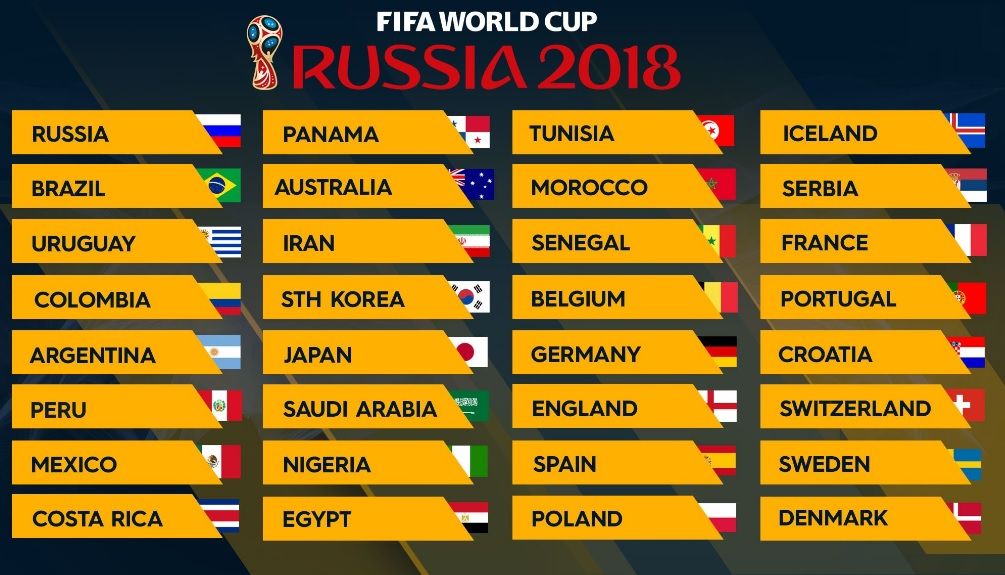 For example, Russian Rail made 734 trains available to tourists and offered free travel to and from eleven host cities. 319 000 football fans used this transportation opportunity[3].
The Central Bank of Russia estimates that in 2018 the World Cup will boost Russia’s GDP growth by a mere 0.1–0.2% (in 2018 the total expected GDP growth rate is 1.5–2%), mainly due to revenue earned by the retail trade sector, hotels and some transportation operators. As far as World Cup host regions are concerned (especially less affluent ones, such as Mordovia), their Gross Regional Product may increase by as much as 1–2%. Economists do not expect any significant long-term impact the World Cup might have on the Russian economy. An analysis prepared by the government indicates that over the next several years the benefits from using new infrastructure, mainly in the sectors of transportation and tourism, will increase Russia’s GDP by around US$ 2.5–3.5 billion annually, i.e. much less than 1% GDP[4]. At the same time, maintenance of sports infrastructure will be a burden on public finances. Average maintenance costs of each stadium are estimated at 300–370 million roubles (US$ 4.5–5.5 million) annually. Since most regions will be unable to finance the maintenance of sports infrastructure[5], the necessary funds will be earmarked for this purpose in the federal budget (around US$ 200 million by 2023). The maintenance of stadiums built using federal budget funds will cost the state around 13 billion roubles (nearly US$ 200 million) in total.
Russia’s export image
An important element underlying positive opinions regarding the World Cup in Russia, as voiced by both foreign visitors and Russian citizens, was the capable handling of their duties on the part of Russian law enforcement services (100 000 interior ministry officers were involved in keeping public order). The polite attitude of police officers during the tournament stood in sharp contrast to their extremely bad image resulting from their repressive actions during street protests and at police stations.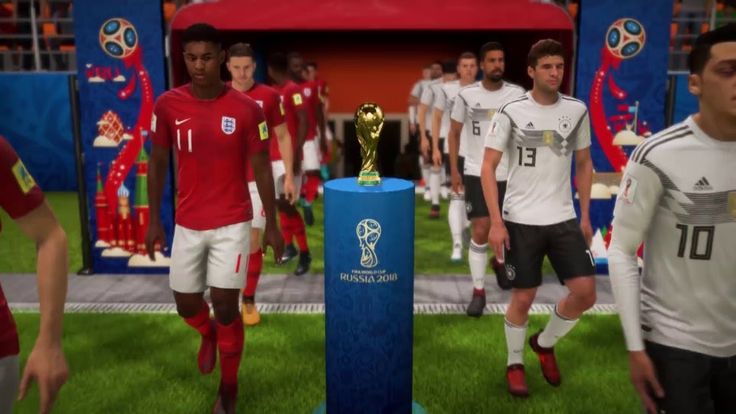 Although they reacted decisively to the few incidents that happened, the police and other law enforcement services showed an ostentatiously polite and helpful attitude towards football fans – social media were full of reports by astonished Russians who expressed disbelief at the change in police behaviour and wished that the World Cup would last forever.
The services managed to guarantee a high level of security during the tournament events, both in terms of the terrorist threat and the risk of riots among groups of football fans[6]. The ‘taming’ of Russian football hooligans, who became notorious for the riots they had provoked during the UEFA Euro 2016 championships in France, was also of major importance. Some commentators viewed the behaviour of Russian hooligans in France as inspired by the Russian government[7], and pointed to close ties between Alexandr Shpyrgin, the head of the Russian Football Fans Organisation, and prominent Russian politicians[8]. During the World Cup in Russia, Shpyrgin alongside many other football hooligans were denied Fan IDs and their conciliatory attitude may suggest that it had been agreed on. The Russian government had also previously managed to tame hooliganism during other international sports championships organised in Russia (the 2017 FIFA Confederations Cup), which confirms that it has effective mechanisms to manage football fan groups at its disposal. In addition, around 3 000 foreign fans having a record for violation of public order during sports events were denied entry to Russia[9]. As a consequence, only isolated minor incidents occurred during the World Cup, including a brawl with the participation of Argentinian fans in Nizhny Novgorod and an act of vandalism on a train carried out by a drunk English fan. These incidents were not publicised and the troublemaking fans received only token punishments.
The Russian government has also introduced a series of improvements for football fans visiting Russia. Holders of Fan IDs were offered visa-free entry to Russia that was later prolonged until the end of 2018, to encourage tourists to revisit Russia. Despite the official tightening of migration policy for the duration of the World Cup, including the shortening of the deadline for foreigners to report and register their stay in Russia from seven to three days, Russian services seemed to enforce the new laws with moderate diligence, even though usually they are much tougher and frequently treat this requirement as an opportunity to solicit bribes[10]. Therefore, it can be said that football fans were treated leniently, in line with the instructions the police had received from their supervisors.
Despite increased passenger traffic, the visiting fans had no problems accessing specific stadiums and host cities. Efficient transportation was guaranteed by Russian carriers that offered free fares. The Russian government introduced a ban on holding rallies in the World Cup host cities for the duration of the tournament. In this way, the Russian authorities prevented the situation familiar in democratic states in which large-scale events are often accompanied by transportation disturbances, caused for instance by strikes organised by airport and rail employees fighting for their rights.
The political benefits for the Kremlin
The Russian leadership treated the World Cup as an opportunity to solidify Russia’s position in the international arena and as an instrument of soft power to spread a positive image of Russia in Western societies. The Kremlin intended to present Russia to the world as an efficiently functioning modern state that has not yielded to Western sanctions and demonstrated that it was capable of organising a large-scale sports event in an exemplary manner. Russia was repeatedly praised by football managers (FIFA President Gianni Infantino considered this tournament “the best World Cup in history”), foreign media (some referred to Russia as “the real winner of the championships”) and numerous visitors. The Russian narrative of success was boosted by the fact that the Kremlin-feared boycott of the tournament announced by Western statesdid not happen. In the VIP boxes, presidents of France, Portugal and Croatia, kings of Belgium and Spain, as well as the prime minister of Hungary, watched the matches in the company of President Vladimir Putin and Prime Minister Dmitri Medvedev. The Russian narrative interpreted this as the Western states’ departure from their unified stance on Russia. The presence of Western politicians confirmed the Russian government in their conviction that Russia’s foreign policy is effective. It was also used to emphasise that Russia is not isolated.
One of the most important results of the World Cup was that Russia could be presented to the world as an attractive, safe and tourist-friendly country. Foreign fans “were positively shocked” to see clean and tidy cities with a wide array of culinary attractions and entertainment opportunities. They were particularly impressed by Moscow and Saint Petersburg, including by their “European” and “world-class” appeal. It seems that the enthusiastic opinions on the part of foreigners resulted not only from Russia’s excellent preparation for the tournament and its numerous tourist attractions, but also from the guests’ sparse knowledge of Russia (for most of them this was their first trip there) and low expectations inspired by Russia’s negative image in most Western media. Enthusiastic views expressed by tourists on social media stood in sharp contrast to the previous attitude of Western media and politicians critical of Russia[11]. Russian propaganda was eager to use the positive viewpoints of foreign tourists for its own purposes and to accuse the West of spreading anti-Russian propaganda[12].
At the same time, for Russian society, the World Cup became an opportunity to confront the Kremlin’s anti-Western narrative by means of direct contacts with visitors from the USA, Europe and other ‘hostile’ countries. A multinational crowd of football fans was happy to interact with local residents who joined in the carnival-like fun[13]. Nikolskaya street in Moscow, adjacent to the Red Square, became a symbol of joint festivities that continued day and night. Both foreign and Russian media and the internet were full of photos showing foreign visitors and Russians, young ones in particular, having fun together. Numerous stereotypes about Russia, alongside some actual shortcomings, were turned into sources of humour, which only enhanced the good mood[14]. Opinion polls have recorded a change in the mood of the Russian public – in July 2018, for the first time in several years, more respondents reported a positive attitude towards the West than negative, and the proportion of individuals who were critical of the USA and the EU dropped by 20 percentage points compared to May 2018[15].
The Kremlin has used Russian society’s interest in the World Cup and the euphoria triggered by the successful performance of the Russian team[16] to push through unpopular reforms. On the World Cup opening day, the Russian government adopted draft laws on raising the retirement age and the VAT rate[17]. The government used the football championships to ‘cover’ the protests against the pension reform organised by various social groups, trade unions and opposition. The ban on holding rallies in host cities, which was in force during the World Cup, was another factor that helped to reduce the size of the protests. In contrast to what Russian pro-democracy groups expected, the World Cup had no impact on the government’s attitude in matters related to human rights violations reported in foreign media. These include the prolonged hunger strike of Ukrainian filmmaker Oleh Sentsov and the initiation of criminal proceedings against Yuri Dmitriev, a recognised researcher of Stalinist-era terror.
The Kremlin’s assessment: upsides and downsides of the World Cup
Russia has spent more on organising the World Cup than any other nation in the tournament’s history. This has translated into an unquestionable marketing success for the Russian Federation. However, it has had a negligible impact on the country’s economic development. The newly-built infrastructure, including transportation facilities, may have a positive impact on economic activity, including tourism. This particular aspect is of major importance for poorer regions in the European part of Russia, which could not have hoped for a similar inflow of investments and tourists were it not for the World Cup.
Paradoxically, the instruments deployed by an authoritarian state have enabled the Kremlin to use the World Cup as an opportunity to ‘fabricate’ the image of Russia as a safe and modern country that is open to the world. Strict control of the law enforcement agencies has helped the state to guarantee a high level of security, to give the impression of genial and obliging law enforcement services to foreign football fans and to spirit away Russian football hooligans for the duration of the World Cup. The Kremlin has used the fact that Western leaders watched the matches from VIP boxes to challenge the view that Russia is being isolated and to emphasise the deepening divisions in the West. This impression has been boosted by the meeting between Vladimir Putin and US President Donald Trump, held immediately after the end of the World Cup. In a Twitter message, Trump referred to the World Cup in Russia as ‘a truly great World Cup Tournament — one of the best ever!’. However, the impact of the World Cup on the West’s actual policy towards Russia will be limited or even negligible, which is confirmed, for example, by another set of sanctions the US subsequently imposed on Russia in August 2018[18].
Similarly, in domestic politics the success achieved in connection with ‘circuses’ will not eliminate the shortage of ‘bread’. The Kremlin’s strategy, which involved using the World Cup to draw a veil over unpopular reforms, may only bring short-term results. Despite the restrictions related to the World Cup, a wave of protests against the pension reforms has swept across the country and another wave is expected in the autumn. President Putin’s approval rating has dropped and a pessimistic mood is on the rise in society[19]. Citizens fear that Russian police and the security services might return to their previous repressive behaviour, which is particularly important in the context of street protests. The endurance of the Kremlin’s anti-Western propaganda has been put to the test – meetings with joyful and friendly foreigners have had a major impact on Russian society’s attitude towards the West.
Despite the fact that the World Cup has been an unquestioned public relations success for the Kremlin, it has not changed Russia’s economic and geopolitical situation, nor has it eliminated the country’s domestic social problems. Russia’s future relations with the West will mainly be determined by the actual shape of Russian domestic politics, including the increasingly authoritarian model of governance and the aggressive anti-Western foreign policy that pro-Putin elites use to legitimise their status.
Map. The 2018 FIFA World Cup: stadiums (the construction cost in billions of roubles)
Source: RBC, 8 June 2018, https://www.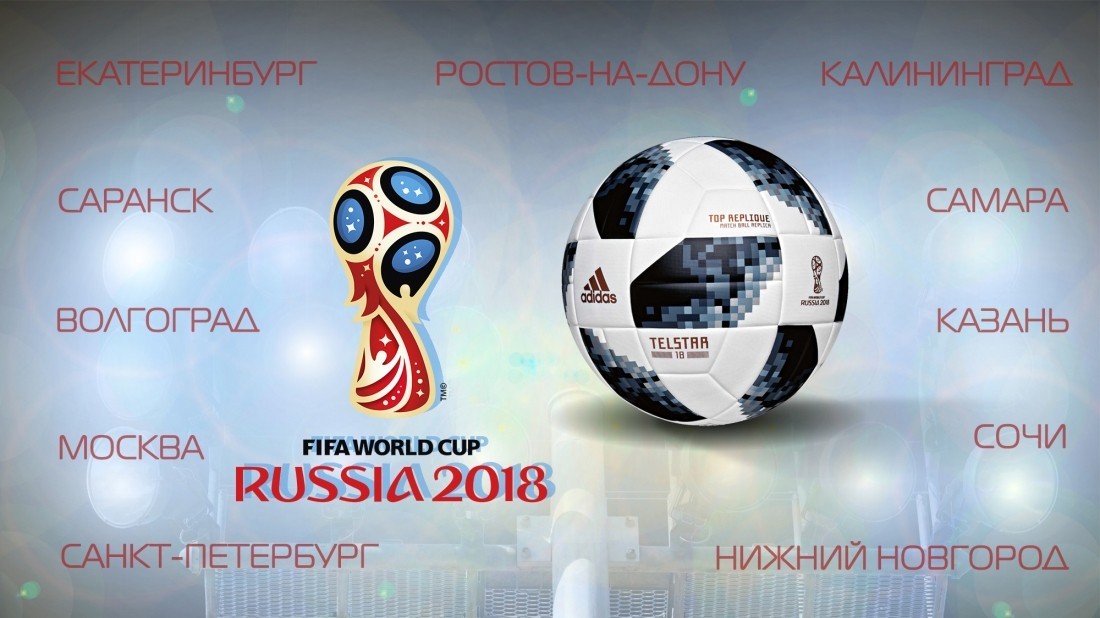 rbc.ru/society/08/06/2018/5b02f8039a7947289e44a869
During the preparations for the 2018 FIFA World Cup, the rouble lost 50% of its value. At the beginning of 2014, 1 US$ cost 32 roubles, whereas in early June 2018 it cost 62 roubles.
[1] С. Титов, Миллиардеры на футболе. Инвесторы и подрядчики чемпионата мира из списка Forbes, Forbes.ru, 11 June 2018, http://www.forbes.ru/milliardery-photogallery/362903-milliardery-na-futbole-14-investorov-i-podryadchikov-chempionata
[2] Золотой стадион Дерипаски и Андреева, РусПрес, 18 July 2018, www.rospres.com/government/19012/
[3] Бесплатные поезда РЖД перевезли около 319 тыс. болельщиков во время ЧМ-2018, Агентство Городских Новостей Москва, 18 July 2018, https://www.mskagency.ru/materials/2800430
[4] Zob. И. Ткачёв, О. Макаров, Правительство оценило эффект от чемпионата мира по футболу для экономики, RBC, 25 April 2018, www.rbc.ru/economics/25/04/2018/5ae0462b9a79471c87890447
[5] For Mordovia, the annual stadium maintenance spending would account for around 10% of the region’s revenue.
[6] For more see http://www.interfax.ru/wc2018/619056
[7] It has been emphasised for example that Moscow had banned only 30 Russian hooligans from travelling to World Cup matches in France and Shpyrgin himself was a member of the official delegation. The French prosecutor who investigated the riots argued that Russian hooligans appeared to have been excellently trained to carry out violent and brutal actions and then to flee instantly, Wie sich russische Politiker mit Hooligans solidarisieren, VICE Sport, 14 June 2016, https://sports.vice.com/de/article/z4pm3a/wie-sich-russische-politiker-mit-hooligans-solidarisieren
[8] The Russian Football Fans Organisation was established in 2007 under the patronage of Vitali Mutko, then head of the Russian Football Association and close friend of President Putin. In the past, Shpyrgin was a member of neo-Nazi organisations and was closely associated with the Moscow-based football club Dynamo (established by the NKVD). He was also a member of Vladimir Zhyrinovsky’s party LDPR and had a meeting with Vladimir Putin.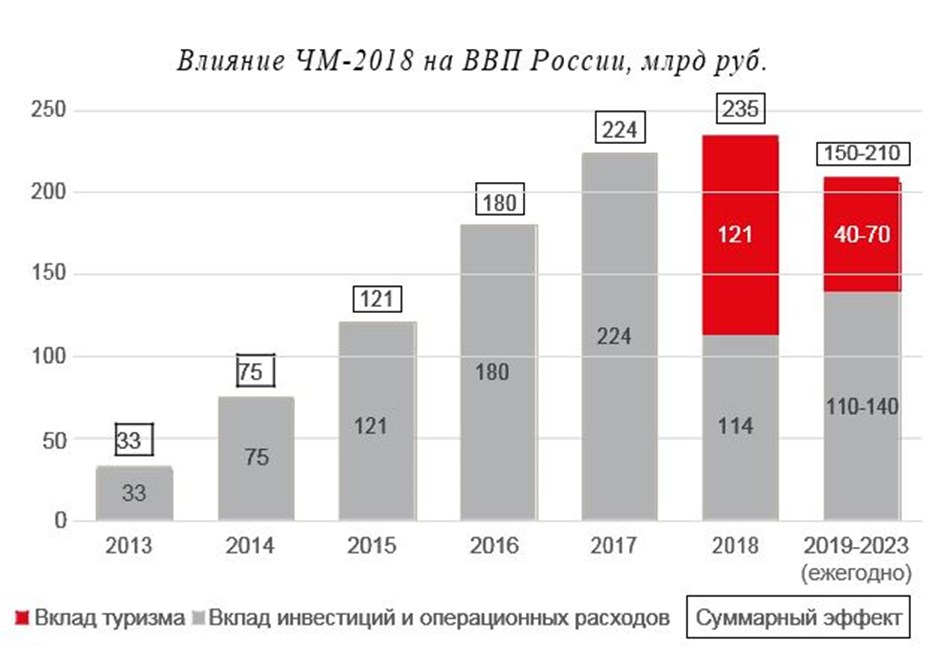 Groups of football fans were used to carry out physical attacks on opposition. A. Богомолов, Околофутбол, деньги, власть: почему российские фанаты не свергнут Путина, Forbes.ru, 6 May 2014, http://www.forbes.ru/mneniya-column/protesty/256591-okolofutbol-dengi-vlast-pochemu-rossiiskie-fanaty-ne-svergnut-putina
[9] Российские власти не пустили на чемпионат по футболу 3000 иностранцев, „Ведомости”, 18 July 2018, https://www.vedomosti.ru/politics/news/2018/07/18/775861-chempionat-mira
[10] During the World Cup, a mere 50% of fans stayed in hotels that observed the required registration rules. Other fans who stayed in rented flats or at their friends’ places were obliged to report their stay at special offices. However, in practice, few of them were aware of this requirement.
[11] Note the meaningful account given by a British fan on Twitter:
“Back from 2 weeks in Russia alive. I wasn’t attacked by blood thirsty hooligans, I wasn’t eaten by a bear & I haven’t been poisoned or killed. The British media should be ashamed of themselves for their clear propaganda against the Russian people. Absolutely class country”
[12] Брифинг официального представителя МИД России М.В.Захаровой,
www.mid.ru/foreign_policy/news/-/asset_publisher/cKNonkJE02Bw/content/id/3280395#1
[13] Смех без причины: почему мы так мало улыбаемся, a Radio Svoboda broadcast, Svoboda.org, 27 June 2018, www.svoboda.org/a/29323838.html
[14] A massive pothole has become a tourist attraction in Nizhny Novgorod with foreign visitors eagerly taking pictures of themselves in it. In a quick reaction, local government officials had the pothole paved, which triggered a wave of thanks from local residents to prank-loving tourists. Stereotypes about Russia were used as inspiration for various pranks – both male and female fans paraded around the streets wearing kokoshniks (traditional women’s headgear), jokes were cracked about polar bears temporarily hiding out from tourists etc.
[15] A poll by Levada Centre entitled “Russia and the West” of 2 August 2018, www. levada.ru/2018/08/02/rossiya-i-zapad-3/.
[16] Around 75% of respondents followed the World Cup developments, whereas back in April only 52% intended to do so. One of the reasons behind increased interest in the championships was the good performance of the Russian team that unexpectedly made it to the quarterfinals. A poll by Levada Centre regarding society’s interest in the World Cup in Russia of 30 July 2018, www.levada.ru/2018/07/30/chempionat-mira-po-futbolu-vnimanie-i-otsenki/
[17] The retirement age is to be increased from 55 to 60 years for women and from 60 to 65 years for men. The VAT rate is to be increased by 2 percentage points to 20%.
[18] For more see: M. Menkiszak, W. Rodkiewicz, I. Wiśniewska, Kij i marchewka: USA oferują Rosji sankcje i dialog, „Analizy OSW”, 9 August 2018, https://www.osw.waw.pl/pl/publikacje/analizy/2018-08-09/kij-i-marchewka-usa-oferuja-rosji-sankcje-i-dialog.
[19] Since April 2018, the president’s approval rating has dropped from 82% to 67% (July 2018), and the proportion of respondents who assess the development of the situation in Russia as positive dropped from 60% to 48%; 40% of surveyed individuals assess the situation as negative. For more see: a poll by Levada Centre regarding society’s support for institutions of the state of 31 July 2018, https://www.levada.ru/2018/07/31/odobrenie-institutov-vlasti-3/.
Photo credit: Andrzej Iwanczuk/REPORTER
Вспомнили
чемпионатов мира: Россия 2018 | Новости футбола
Россия 2018 год запомнится как один из величайших чемпионатов мира. В нем были все ингредиенты, необходимые для турнира, чтобы поразить воображение и взволновать болельщиков.
Были истории проигравших и шокирующие выходы, много голов и много поздних, хороший пробег от принимающей страны для поддержания настроения по всей стране — и удивительно сильный вызов из Англии, в которую болельщики верили на этих берегах.
И, в конце концов, у него также был достойный победитель, а юная сенсация Килиан Мбаппе стала ключевой фигурой в триумфе Франции.
Россия разгромила Саудовскую Аравию со счетом 5:0 в первом матче, возможно, не самое блестящее начало, но ничья 3:3, которую сыграли Испания и Португалия на следующий вечер, задала тон тому, что должно было произойти.
Криштиану Роналду занял центральное место в этом состязании, завершив блестящий хет-трик штрафным ударом на 88-й минуте и сравняв счет после того, как дважды вывел Португалию вперед.
- Таблица Аль-Насра «лучшее предложение» для свободного агента Роналду
- Смелость Стоукса окупается: сборная Англии одержала знаменитую победу в последний день
- Расписание ЧМ-2022, матчи последних 16 матчей и перестановки QF
- Невилл: Англия против Франции — игра всей жизни
- Центр трансфера в прямом эфире! Гакпо: Я приму решение о своем будущем после чемпионата мира
- Неймар возвращается вовремя, травм у «Тите» становится все больше
- Кто выиграет гонку за Беллингем?
- ЧМ в прямом эфире! Кэш Польши: Мбаппе силен, но Уокер может его остановить
- Новости: Эшли выгоняет Ковентри со стадиона
- Гэтланд возвращается на пост главного тренера Уэльса после увольнения Пивака
Рекордный хет-трик Роналду
Хет-трик Роналду в матче с Испанией сделал его самым возрастным игроком, сделавшим хет-трик на чемпионатах мира (33 года и 130 дней), и первым, кто забил в восьми последовательных мейджорах турниры
Его великий соперник Лионель Месси был менее впечатляющим днем позже, пропустив пенальти, когда Аргентина сыграла вничью с Исландией 1: 1, а когда в следующей игре они уступили Хорватии со счетом 3: 0, они оказались в реальной опасности. . Но прекрасный гол Месси и поздний удар Маркоса Рохо вывели их в нокаут с победой над Нигерией со счетом 2: 1.
В другом месте Франция оказалась на правильной стороне вызова от недавно введенного VAR в их первой победе над Австралией, прежде чем обойти Перу и сыграть вничью с Данией, чтобы забронировать себе место в 1/8 финала, в то время как Бразилия усердно работала над их пул, вяло стартовавший против Швейцарии, нуждающийся в двух голах в компенсированное время, чтобы обыграть Коста-Рику, а затем, в конечном итоге, провожающий Сербию, чтобы прогрессировать.
Тяжеловесы Аргентина и Бразилия, возможно, заигрывали с катастрофой, но действующим чемпионам Германии было не избежать ее.
Самый возрастной игрок сборной Египта на чемпионате мира
Вратарь Эссам Эль-Хадари стал самым возрастным игроком, сыгравшим на чемпионате мира, когда он вышел на финальный групповой матч Египта против Саудовской Аравии.
45-летний футболист тоже отличился, отразив пенальти!
Поражение от Мексики в первом матче было далеко не идеальным, но это была паника в конце добавленного времени их второй игры против Швеции, когда команда Йоахима Лоу была на грани нокаута, и осталось 10 человек. Тони Кроос решительно спас их в 9-м раунде.5-я минута — но именно голы в компенсированное время свели на нет их в заключительном групповом матче.
Полный крах на последних минутах игры против Южной Кореи, когда Германии нужно было побеждать, привел к тому, что европейская команда заняла последнее место в своем списке и впервые с 1938 года проиграла в первом раунде. Это было унижением для нации, которая четыре года назад праздновали победу на чемпионате мира, когда Швеция и Мексика заняли два первых места.
Изображение:
Марио Гомес реагирует на вылет действующих чемпионов Германии на групповом этапе
Гол в добавленное время также помог Англии одержать неубедительную победу над Тунисом, но через несколько дней открылись шлюзы против Панамы, впервые прошедшей квалификацию, а Гарри Кейн добавил хет-трик к своему дублю против тунисцев, чтобы взять рано – и, в конечном счете, непоколебимо – лидировать в гонке за золотыми бутсами. Однако Фелипе Балуа отпраздновал свое утешение за Панаму со счетом 6:1 так же решительно, как и Кейн — 37-летний игрок вошел в историю как первый бомбардир своей страны на чемпионатах мира.
В то время как горячая Бельгия обошла тех же соперников, что и Англия, финальная групповая игра между командами превратилась в соревнование, кто хочет финишировать первым и пройти более жесткий — на бумаге — путь в плей-офф. Бельгия победила, Англия заработала.
Их поражение в этом матче привело к ничьей в 1/8 финала с Колумбией, которая выиграла группу H, опередив японскую команду, которая заняла второе место, опередив Сенегал по очкам честной игры.
В непредсказуемом турнире продолжают происходить неожиданные повороты
Драма продолжалась в раундах плей-офф: Франция прервала мечту Месси о чемпионате мира в захватывающей победе над Аргентиной со счетом 4:3, прежде чем собственные надежды Роналду рухнули позже в тот же день, когда Эдинсон Кавани вдохновил Уругвай.
Был также замечательный камбэк со счетом 2:0, когда Бельгия проиграла Японии против Японии, и серия пенальти, в которой Хорватия обыграла Данию, и — невероятно — Англия, наконец, выиграла с точки над Колумбией, после того как они были привязаны к Третья минута добавленного времени во втором тайме.
Как и у Англии, у Испании плохая статистика по сериям буллитов на крупных турнирах, и решающие удары в очередной раз доказали свою несостоятельность в Москве, а шоковый выход в Россию подтвердился, так как они дважды промахнулись с 12 ярдов.
Наградой сборной Англии за то, что она заняла второе место в своей группе и обогнала Колумбию, стала четвертьфинальная игра со Швецией, которая обыграла Швейцарию из 10 человек. Это была необычно простая победа для Гарета Саутгейта и его команды, с внезапно возросшим импульсом и верой в команду, которую почти списали со счетов еще до того, как они приехали в Россию.
Изображение:
Гарри Магуайр празднует гол за сборную Англии против Швеции в четвертьфинале
Путь Бельгии привел их к столкновению с Бразилией, которая, казалось, набирала форму после победы над Мексикой, но подопечные Роберто Мартинеса впечатляюще выдержали испытание, забив Кевин Де Брюйне, в то время как Франция уверенно победила Уругвай, и путь хозяев завершился.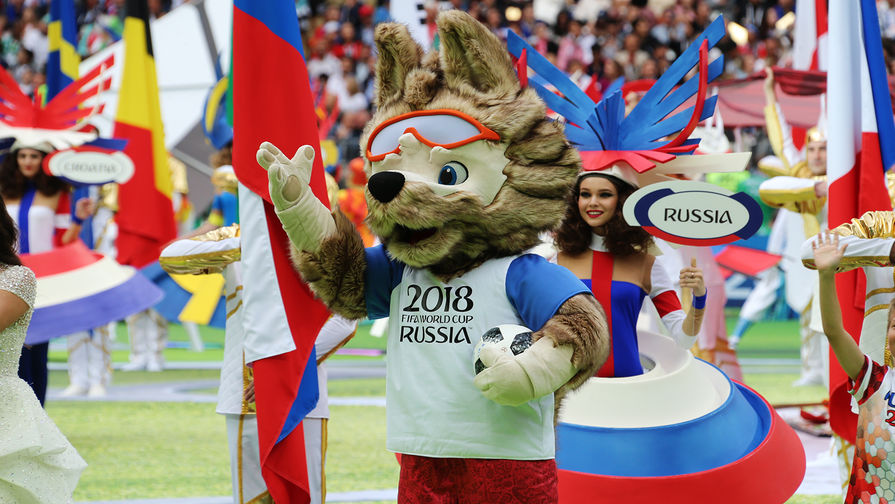 с поражением в серии пенальти от Хорватии.
Когда ажиотаж вокруг чемпионата мира по футболу в Англии достиг апогея, а любители пива упивались летней жарой и лучшим выступлением страны на крупном турнире за 22 года, вся страна взорвалась через пять минут после полуфинала с Хорватией. когда Киран Триппьер согнулся в фантастическом штрафном ударе. Но приключение «Трех львов» закончилось мучительно: игроки «Саутгейта» ослабли, когда Хорватия доминировала во владении мячом, сравняла счет, а затем нашла победителя в дополнительное время.
Изображение:
Англия показывает боль после поражения в полуфинале против Хорватии
Турнир Англии завершился предсказуемо разочаровывающим поражением за третье место в плей-офф от Бельгии, чей путь к славе был остановлен Францией. команда с самым низким рейтингом, вышедшая в финал чемпионата мира.
Так часто в прошлом финалы крупных турниров не вызывали волнения, и обе стороны часто брали верх, но это была показательная игра, подходящая для турнира, который был захватывающим на протяжении всего турнира.
Франция стремилась попробовать славу на чемпионате мира во второй раз после поражения в финале Евро двумя годами ранее в Париже, но Хорватия была полна решимости оставить свой след на самом большом этапе — и была разочарована вызовом VAR на конец всему этому.
Марио Манджукич, забивший победный гол в матче с Англией, забил гол в свои ворота в самом начале, но Хорватия показала свою лучшую игру, когда Иван Перишич сравнял счет. Однако Франция вырвалась вперед из-за неоднозначных обстоятельств, когда затянувшаяся проверка VAR в конечном итоге привела к пенальти из-за игры рукой Перишича. Антуан Гризманн реализовал перед быстрым дублем Поля Погба, и Мбаппе вывел Хорватию из игры во втором тайме.
Изображение:
Поль Погба целует трофей чемпионата мира после того, как Франция обыграла Хорватию в финале
Ошибка Уго Льориса дала Хорватии некоторую надежду, Манджукич искупил свой гол, но Франция допила победу и закрепила ее в Москве, так как дождь начал хлестать. Драматический финал драматического турнира.
Гол турнира — Бенджамин Павар
Изображение:
Бенжамен Павар празднует ошеломляющий гол в ворота Аргентины
На турнире, где было много претендентов, красота Бенджамина Павара завоевала корону лучшего гола в России-2018. нанес прекрасный удар, отбросив мяч назад к воротам, не оставив ни единого шанса вратарю Франко Армани.
Техника была хрестоматийной, и все, от формы тела и удара до обратного вращения и дрейфа мяча, радовало глаз. Если, конечно, вы не поддержали Аргентину.
Гол вернул Францию к уровню 2:2 после того, как южноамериканцы забили с обеих сторон в перерыве и вышли вперед. Быстрый дубль Килиана Мбаппе в течение следующих 10 минут лишит Лионеля Месси и компании успеха.
Игрок турнира
Изображение:
Лука Модрич признан лучшим игроком турнира
Хорватский маэстро Лука Модрич был назван лучшим игроком ЧМ-2018 в России, и было мало аргументов против признания гладкого и шелковистого полузащитника, задавшего темп во время фантастического выхода своей сборной в финал.
Он забил с пенальти в матче с Нигерией и снова попал в сетку, совершив блестящую победу над Аргентиной со счетом 3:0. В серии буллитов над Данией и Россией тоже были удачные пенальти. Но смерть Модрича посреди парка — это то, что живет в памяти; мастер-класс по диктовке игры и изгибу соответствует пути его стороны.
Игра турнира
Изображение:
Криштиану Роналду сделал хет-трик в ворота Испании.
Свидетельством высокого качества турнира Россия-2018 является то, что за эту честь боролись около 10 матчей, но ничья 3:3 между Испанией и Португалией во второй день соревнований лишь затмевает его. Это был матч, который задал тон тому, что должно было произойти, и показал качество — как индивидуальное, так и коллективное, поскольку две иберийские силы боролись за победу в Сочи.
Испания продемонстрировала свои важные качества — и почему они должны были пойти намного дальше на этом чемпионате мира, чем они сделали — но Криштиану Роналду продемонстрировал свою собственную способность нести свою страну, когда они в нем нуждаются. Он наслаждался грандиозной сценой, и этот последний удар со штрафного был личным шансом заявить о себе, благодаря которому он процветает.
Страны происхождения
Изображение:
Гарет Саутгейт привел сборную Англии к лучшему результату на чемпионате мира с 1990 года.
Когда футбол почти вернулся домой… Молодая сборная Англии Гарета Саутгейта отправилась в Россию без особых ожиданий. Унижение поражения на Евро-2016 от Исландии все еще было сырым. Но после нервного старта против Туниса они укрепили уверенность, одержав крупную победу над Панамой и воспользовавшись щедрой ничьей.
Победа над Колумбией в серии пенальти сняла историческую ношу с плеч страны, и вдруг все стало возможным. Победа над Швецией в четвертьфинале далась слишком легко. С Саутгейтом в его жилете, игроками, катающимися на единорогах в лечебных бассейнах, и болельщиками, разливающими пиво по фан-паркам в разгар жары дома, фактор хорошего самочувствия ощущался от Лондона до стадиона «Лужники».
Все рухнуло на этом стадионе, когда реализм ограничений Англии и возможностей Хорватии сказал более 120 минут, но Саутгейт и его игроки возродили связь страны с национальной сборной.
Шотландия, Уэльс и Северная Ирландия не прошли квалификацию.
Чемпионат мира по футболу 2018: последние новости и результаты
Азар: «Мы поедем туда, чтобы попытаться выиграть чемпионат мира»
Капитан сборной Бельгии Эден Азар считает, что его команда может выйти в финал чемпионата мира спустя годы не показывать результаты на крупных турнирах.
Винсент Компани: «Во многом это удача»
Несмотря на то, что у Бельгии, несомненно, есть игроки, их звездный защитник Винсент Компани говорит, что самое важное на чемпионате мира — это то, что команда достигла своего пика в нужное время.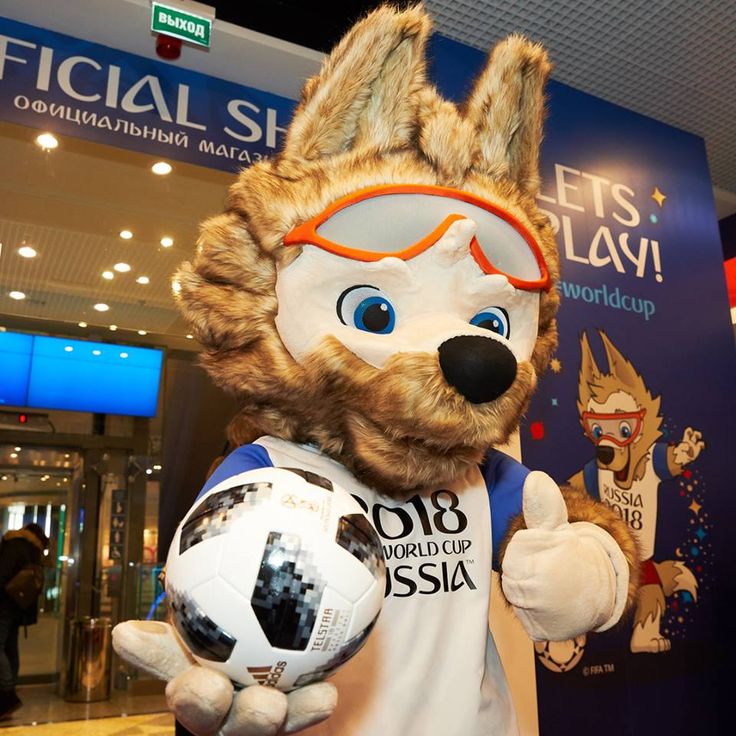 И немного удачи.
«Это меняет вашу жизнь», — говорит Херст о победе на чемпионате мира
Джефф Херст остается единственным человеком, когда-либо сделавшим хет-трик в финале чемпионата мира. Легенда Англии размышляет о его непревзойденных достижениях, восходящих к 19 веку.66 Финал ЧМ.
Ловрен: Сборная Хорватии полна «больших талантов»
Хоть Хорватия и является страной с населением чуть более 4 миллионов человек, но их стойкий центральный защитник Деян Ловрен говорит, что их футбольная команда полна «больших талантов», которые будут бить выше их веса в России.
Маттеус: у Германии есть талант, чтобы сохранить титул чемпиона мира
Маттеус, который, как известно, привел Германию к успеху на чемпионате мира 1990 года, сказал, что он уверен, что у нынешнего состава есть талант, чтобы сохранить титул, но южноамериканские команды могут угрожать.
Любимые великие футболисты Рэшфорда — прошлое и настоящее
20-летний нападающий «Манчестер Юнайтед» Маркус Рэшфорд говорит, что Англия более сосредоточена, чем команды прошлых лет, поскольку они стремятся подарить своим многострадальным болельщикам титул чемпиона мира, чтобы насладиться им .
Португалия «играет, чтобы выиграть» чемпионат мира, говорит Бернарду Силва
Бернарду Силва, сыгравший главную роль в победном сезоне «Ман Сити» в Премьер-лиге, говорит, что Португалия отправится в Россию, «играя, чтобы выиграть».
Гюльфи Сигурдссон: «Это трудная группа»
Исландия стала любимицей мирового футбола, когда на чемпионате Европы 2016 года одержала знаменитую победу над Англией. Сохранит ли форму Гюльфи Сигурдссон и его команда на ЧМ в этом году?
Пирес вспоминает триумф на чемпионате мира 1998 года
Бывший полузащитник «Арсенала» и сборной Франции Робер Пирес рассказывает о том, кто, по его мнению, выиграет чемпионат мира и какая из его непобедимых команд была лучшей.
Наката привык вздремнуть перед матчами
В чем секрет успеха ветерана чемпионата мира Хидетоси Наката? Энергичный сон. CNN разговаривает с бывшим японским футболистом в преддверии чемпионата мира по футболу 2018 года.
Может ли Нигерия выиграть чемпионат мира?
Чемпионат мира сейчас в центре внимания, поскольку национальные команды готовятся к началу матча 14 июня.